Cedarburg’s Historic Homes: What Buyers Should Know
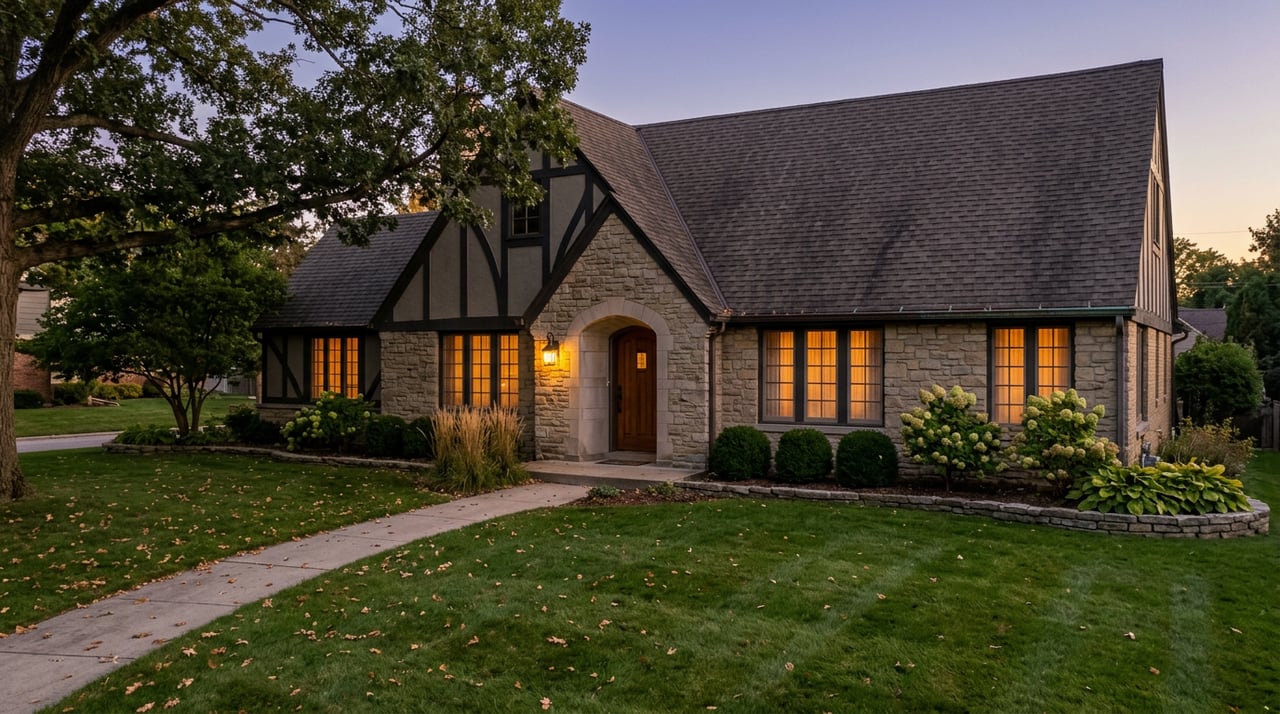
If you’ve fallen for Cedarburg’s stone houses, classic facades, and old-home charm, you’re not alone. Historic homes here can offer a sense of character that is hard to find in newer construction, but they also come with different rules, maintenance needs, and decision points. If you’re thinking about buying one, it helps to know what you’re really stepping into before you write an offer. Let’s dive in.
Cedarburg is a preservation-focused community with a deep inventory of older properties. According to the city, more than 200 historic buildings have been preserved, and the community includes eight National Register listings.
For most buyers, the historic areas you are most likely to encounter are the Washington Avenue, Columbia, and Hamilton Historic Districts. That matters because a home’s location within one of these areas can shape everything from the feel of the street to the type of exterior work that may need review.
Washington Avenue is Cedarburg’s historic center. It includes 119 mixed-use buildings, many built from locally quarried stone between 1847 and 1926.
If you are drawn to an energetic historic setting, this district may feel different from a more traditional residential neighborhood. Because it is a mixed-use historic core, the day-to-day experience can be distinct from areas made up mostly of homes.
The Columbia Historic District is one of Cedarburg’s original residential neighborhoods. It includes 128 residences and one church, with the largest concentration of limestone houses in the community.
This district combines simple vernacular homes with more formal houses built between 1844 and 1938. If you want a historic home in a more residential setting, Columbia may align more closely with that goal.
Two historic districts can both be beautiful and still live very differently. A mixed-use area may offer a different rhythm, setting, and housing mix than a primarily residential one.
That is why it helps to look beyond the word “historic” and focus on how each area functions day to day. The right fit is not just about architecture. It is also about how you want to live.
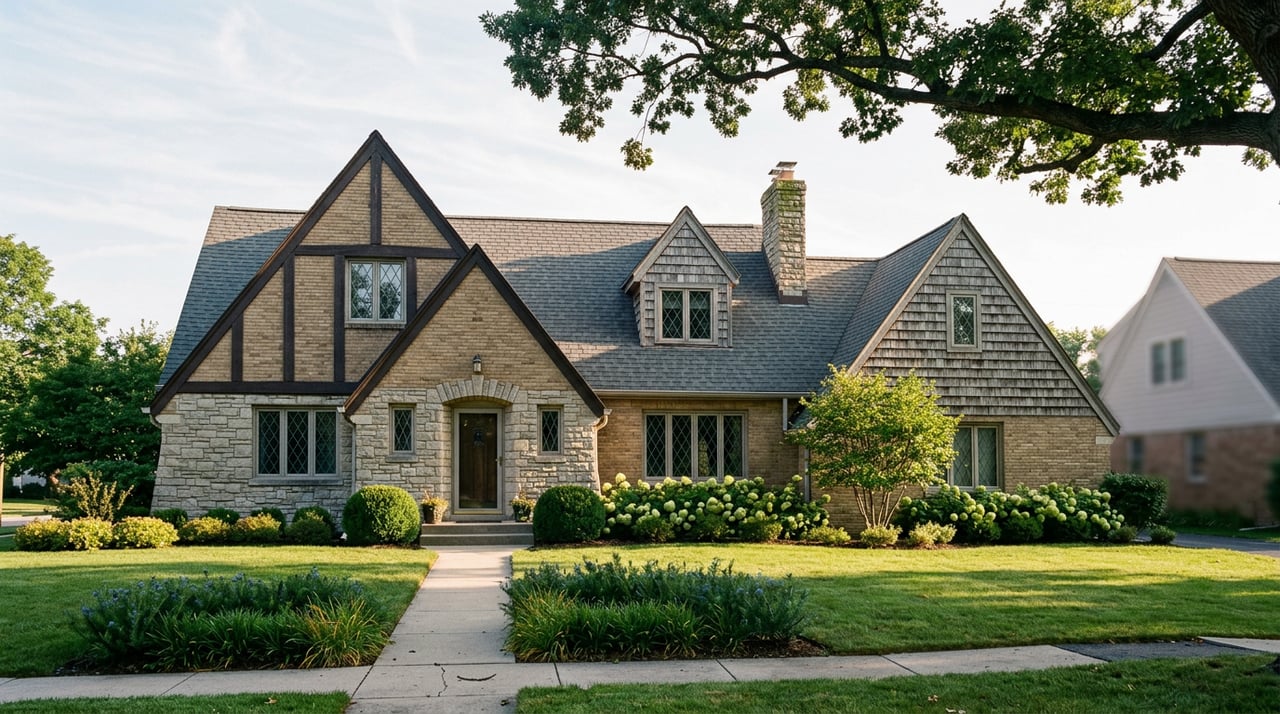
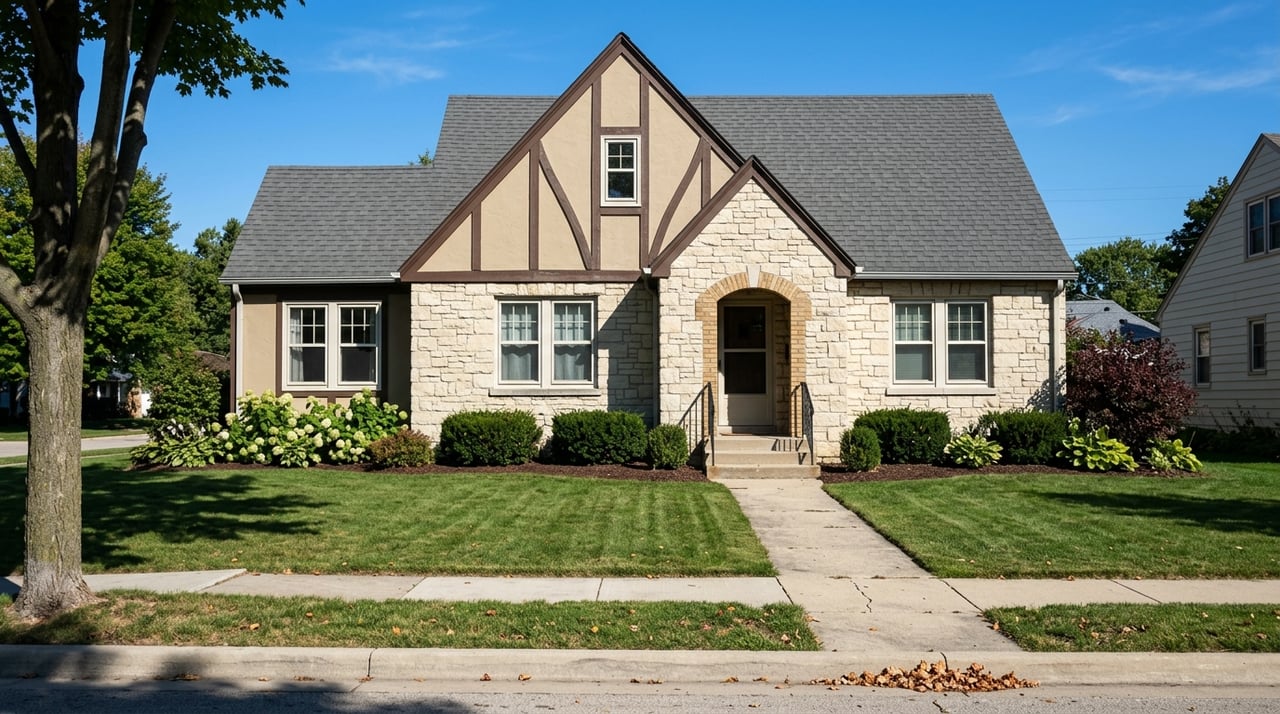
Cedarburg’s historic housing stock is not one-note. Documented styles in the area include Greek Revival, Italianate, Queen Anne, Front Gabled, Gabled Ell, Craftsman, and Colonial Revival or Georgian Revival homes.
That variety means you should not assume every historic home in Cedarburg is ornate or formal. Some properties are simple vernacular houses, while others have more decorative architectural details.
Historic inventory records show a range of materials, including limestone, brick, fieldstone, clapboard, and some later siding. From a buyer’s perspective, that is important because maintenance needs can vary a lot depending on the material and how much original exterior fabric remains.
A limestone or brick home may have very different upkeep priorities than a clapboard house or one that has been altered over time. The visual character may be part of the appeal, but it is also part of the ownership responsibility.
If you are used to newer homes, a Cedarburg historic property may feel different inside. Based on the documented forms found in the city’s historic inventory, buyers should expect more variety in layouts, including more compartmentalized floor plans and later additions or ells.
In other words, you may not find one standard modern setup. Some homes have evolved over many decades, so the layout often reflects that history.
As you tour homes, pay attention to how the space works for your daily life. Focus on flow, room sizes, stair placement, and how any additions connect to the original structure.
It can help to ask yourself:
Historic homes often reward careful ownership, but they rarely behave like low-maintenance new builds. In Cedarburg, buyers should pay especially close attention to masonry, windows, and older materials that may need repair instead of replacement.
That does not mean a historic home is a bad investment. It means your budget should reflect the realities of stewardship, not just the purchase price.
For Cedarburg’s stone and brick homes, masonry work deserves close attention. National Park Service preservation guidance notes that proper repointing can restore a wall’s visual and physical integrity, while improper repointing can damage the masonry.
For you as a buyer, that means repairs should be handled by professionals who understand historic materials. A quick fix is not always the right fix on an older stone or brick home.
Historic windows are another common point of confusion. Preservation guidance from the National Park Service says original windows can often be repaired or weatherized, and replacement windows are not automatically a cost-saving upgrade.
That is useful to know when you are comparing homes or estimating future projects. If a house still has older windows, the question is not only whether they are old. It is whether they can be properly maintained or restored.
If you are considering a home built before 1978, lead-safe renovation planning should be part of your budget. The EPA says these homes are more likely to contain lead-based paint, and projects like sanding, cutting, or window replacement can create hazardous dust and chips.
For many buyers, this is not the first thing that comes to mind during a showing. But if you are planning updates, lead testing and lead-safe contractors are worth factoring in early.
In historic homes, the biggest surprises are often not cosmetic finishes. Based on the preservation guidance in the research, roof work, masonry repair, and window restoration can be more significant budget items than surface-level updates.
That is why a historic-home purchase works best when you leave room in your budget for the structure and envelope, not just the decor.
Before you buy, it is important to understand whether the property is designated or located in the Historic Preservation Overlay District. Cedarburg’s code gives the Landmarks Commission authority to regulate design, construction, repair, maintenance, reconstruction, alteration, and demolition through a certificate of appropriateness.
In plain terms, some exterior work may need approval before it begins. That includes items the city code specifically identifies, such as roofing type and color choices and paint or color decisions.
If the property is designated or located in the Historic Preservation Overlay District, yes. Exterior work is subject to review through the certificate of appropriateness process.
For buyers, this is a key lifestyle question as much as a legal one. If you value preserving historic character, that review process may feel reassuring. If you want broad flexibility for exterior changes, you will want to understand those limits before moving forward.
Wisconsin offers a homeowner historic rehabilitation tax credit for eligible historic homes. The program returns 25 percent of approved rehabilitation expenses, but the work must be pre-approved before it starts, and the home must be listed, contributing to a historic district, or otherwise qualify.
That timing matters. If you buy a qualifying property and plan work without pre-approval, you may miss the benefit.
For most owner-occupants, the Wisconsin homeowner credit is the key program to know. The federal 20 percent historic rehabilitation tax credit applies to income-producing historic buildings, not typical owner-occupied single-family homes.
If you are buying a primary residence in Cedarburg, the state program is generally the more relevant place to start.
Cedarburg’s historic homes tend to be a strong fit for buyers who value authenticity, original character, and the story a home tells over time. They can be especially appealing if you appreciate older materials, distinct architecture, and neighborhoods with visible preservation.
At the same time, these homes are often better suited to buyers who are comfortable with more maintenance and more oversight than they would likely have with a newer property. The charm is real, but so is the responsibility.
If you are serious about purchasing a historic home in Cedarburg, go in with a clear checklist. A little extra diligence up front can help you avoid expensive surprises later.
Consider asking:
Buying a historic home is often as much about fit as it is about price. The more clearly you understand the home’s condition, restrictions, and opportunities, the more confident your decision can be.
If you’re considering a historic home in Cedarburg and want calm, local guidance as you weigh character, condition, and long-term value, Elissa Berkoff would be glad to help you navigate the details.
Elissa is committed to providing exceptional value, personal care and service tailored to the requirements of her clients. The real estate experience that Elissa offers goes over and above what her clients expect. This is important as her goal is not to simply meet their expectations but to exceed them, even well beyond closing.