New Construction vs. Existing Homes In Cedarburg

Thinking about building your dream home in Cedarburg or falling for an existing charmer near downtown? It is a big choice, and both paths can fit well in Ozaukee County’s unique market. You want a home that supports your life today and holds value tomorrow. In this guide, you will learn the real tradeoffs, timelines, financing basics, and local factors that matter in Cedarburg so you can decide with confidence. Let’s dive in.

Cedarburg market snapshot

Cedarburg blends a well preserved 19th century downtown with newer neighborhoods on the city’s edges. Many buyers love walkability, historic details, and mature trees. Others want modern systems, larger garages, energy efficiency, and open layouts.

Vacant infill lots near the historic core are limited. New subdivisions or buildable land tend to be on the fringe or in nearby townships. Location, character, and turnkey condition often command premiums. Buyer activity can also ebb and flow with the festival calendar and summer traffic.

New construction: what to expect

Costs and financing

When you build, you budget for land, hard construction costs, soft costs, and carry costs. Hard costs include labor, materials, and site work. Soft costs include permits, engineering, and design. Carry costs include construction loan interest, taxes, insurance, and sometimes temporary housing.

Construction loans work differently than a standard mortgage. Lenders often require a signed build contract, builder approval, and draw schedules. You typically pay interest only during the build, then convert to permanent financing or close on a separate mortgage. Expect stricter downpayment and reserve requirements than a typical existing-home purchase.

Property taxes usually rise after a new build because your assessed value increases. In Ozaukee County, multiple jurisdictions set the total tax rate. Ask how reassessment timing works and what appeals process is available.

Permits and timelines

Timelines vary with design complexity and location. In Cedarburg, a typical path includes:

  • Pre-application research to verify zoning, utilities, setbacks, easements, and any historic review needs.
  • Design and approvals for architecture, engineering, stormwater, and HOA or design review if applicable.
  • Building permits once plans are complete and reviewed.
  • Site prep for clearing, grading, and utility extensions.
  • Construction, followed by final inspections and a certificate of occupancy.

Common delays come from historic district review, soil conditions or bedrock, utility extensions, weather, labor availability, change orders, and selection decisions. Start feasibility checks before you write an offer on a lot to avoid surprises.

Design and neighborhood fit

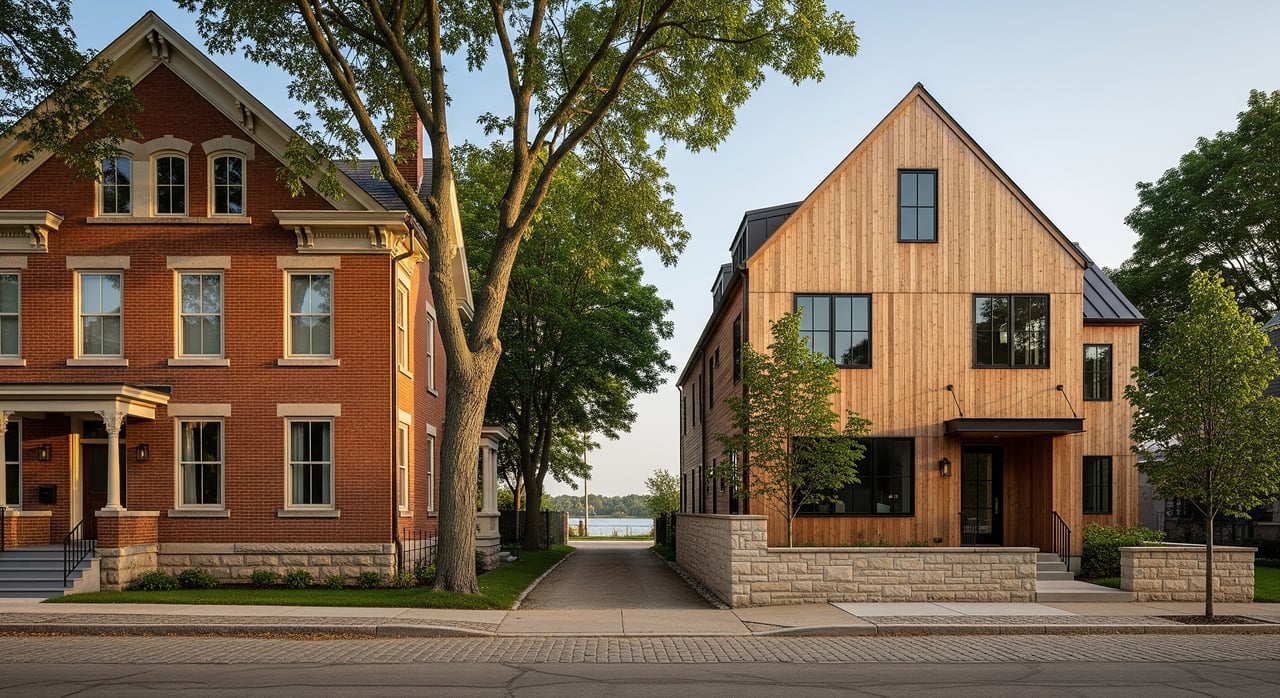
Cedarburg values its historic look and feel, especially near downtown. The City’s Historic Preservation Commission reviews exterior changes in designated areas. Suburban neighborhoods often allow more variety in layouts and garage placement, but zoning still controls setbacks, height, lot coverage, and stormwater.

If you build new, a design that respects the local vernacular often earns better community reception and resale. Ask your builder to show examples that blend traditional exteriors with modern interiors.

Pros of building new

  • Modern systems and energy efficiency with new HVAC, insulation, and windows.
  • Custom floor plan, finishes, and accessibility features tailored to you.
  • Builder and manufacturer warranties that reduce surprise repairs early on.
  • Lower immediate maintenance needs compared to many older homes.

Cons of building new

  • Higher upfront cost and premiums for customization and site work.
  • Longer timeline with more decisions and active involvement.
  • Newer subdivisions may lack mature landscaping and street character at first.
  • Resale premium depends on design quality, location, and neighborhood fit.

Existing homes: what to expect

Costs and ownership nuances

Existing homes use familiar financing like a 30 year fixed, VA, FHA, or USDA loans. You can move faster than a new build, especially when a home is well maintained and turnkey. That said, some properties need updates to systems, insulation, or roofs. Budget for due diligence, inspections, and potential repairs.

If you want to personalize, plan for renovations after closing. In Cedarburg’s established neighborhoods, you often gain mature trees, sidewalks, and a sense of place you cannot install overnight.

Historic districts and changes

If a home sits in a historic district, you may face exterior design review for additions or major changes. These rules help protect community character. Interior updates usually offer more flexibility. Always confirm the review process before you start planning exterior work.

Pros of buying existing

  • Established neighborhoods with mature landscaping and walkable blocks.
  • Proximity to downtown and unique historic details you cannot easily replicate.
  • Faster timelines to move in compared with building from scratch.
  • Often a lower initial outlay than a custom build on a comparable lot.

Cons of buying existing

  • Possible updates to mechanicals, insulation, windows, or roofs.
  • Historic review may limit exterior modifications in designated areas.
  • Hidden maintenance issues can surface during inspections or after closing.

Resale in Cedarburg

In Cedarburg, location and neighborhood character often drive resale more than a home’s age alone. Properties near downtown, parks, rivers, or popular corridors tend to hold interest. Well maintained historic homes can earn a premium for authenticity and charm.

New construction that respects local style and uses quality materials can also command strong resale. Highlight energy efficiency, thoughtful floor plans, and durable finishes when it is time to list. Whether old or new, a great lot and strong design are a powerful combination.

Lot and location factors

  • Infill lots near the historic core are limited and may face design constraints and smaller setbacks.
  • Subdivision lots on the fringe or in nearby townships can offer more availability and modern utilities.
  • Rural parcels may allow larger lots but often require well and septic, plus longer utility runs.
  • Every parcel has rules for setbacks, height limits, lot coverage, and stormwater. Wetlands or shoreland rules may add constraints.
  • Easements and utility corridors can reduce buildable area. Verify before you offer.

Decision checklist

Use this practical checklist to compare paths side by side:

  • Verify lot buildability with zoning, setbacks, utilities, soils, wetlands, and easements.
  • Confirm if a property is in a historic district and what exterior review is required.
  • Get multiple builder bids, review portfolios and references, and confirm warranty terms and lien waivers.
  • Map your financing: construction loan terms, draws, downpayment, and conversion to a mortgage.
  • Clarify allowances and how change orders are priced and approved.
  • Request a project schedule with milestones and remedies for unreasonable delays.
  • Determine who pays for infrastructure such as sidewalks, curbs, and utility extensions.
  • Ask the assessor’s office about reassessment timing and estimated taxes after a build.
  • Budget for landscaping and driveways that are sometimes excluded from base contracts.
  • Obtain proof of builder insurance and confirm coverage throughout the project.

Which path fits you

Consider your priorities to narrow your choice:

  • You value modern systems, customization, and warranties: building new may fit, especially if you can manage a longer timeline and preconstruction planning.
  • You value location, mature streetscapes, and character: an existing home near downtown or in an established neighborhood may be your best match.
  • You want a hybrid path: an existing home with strategic updates can deliver a modern feel in a historic setting.

If you already own a Cedarburg property and are weighing renovation versus teardown, start with a feasibility review. Compare total costs, timeline, likely resale, temporary housing needs, and any historic or zoning limits. For sellers improving before listing, targeted updates and staging can help your home compete with newer builds.

Next steps and local help

Your best move is to pair clear priorities with local expertise. Confirm current inventory, recent new build activity, and permitting requirements before you commit. Get lender input on construction and permanent financing options. Interview at least two builders for scope, schedule, and warranty details.

If you want a calm, experienced partner to guide you through Cedarburg and the North Shore, reach out. Whether you are comparing lots, assessing a historic home, or planning pre-list updates, we can build a plan that fits your life and budget. Connect with Elissa Berkoff to map your next steps with clarity and care.

FAQs

How long does it take to build a home in Cedarburg

  • Timelines vary by design and site, but expect months for design, approvals, and permits, then several more months for construction, with extra time if historic review, utilities, soil, weather, or change orders add complexity.

Is new construction cheaper to maintain than an older home

  • Generally yes in the short to medium term because systems and materials are new and under warranty, though long term costs depend on build quality, ongoing care, and proper maintenance.

Will my property taxes increase after I build new in Ozaukee County

  • Usually yes because the assessor will update your property’s value to reflect the new home; ask the assessor about timing, how reassessment works, and any appeal process.

Can I finance upgrades and selections in a new build

  • Many builders roll upgrades into the construction budget, but lenders often require the full scope up front, so confirm what can be financed and how draws will work before you sign.

Are there historic restrictions in downtown Cedarburg

  • If a property is in a historic district, exterior changes and new builds often require design review by the Historic Preservation Commission, so verify requirements early in your planning.

What should I check before offering on a lot in or near Cedarburg

  • Confirm zoning, setbacks, utilities, soils, wetlands, easements, stormwater rules, and any HOA or design guidelines, plus estimated timelines and costs for permits and utility connections.

I own an older home and am debating teardown versus renovation

  • Start with a feasibility review that weighs total costs, time, resale potential, historic or zoning limits, and interim housing; compare that to the value of targeted updates if you plan to sell or stay.

Work With Elissa

Elissa is committed to providing exceptional value, personal care and service tailored to the requirements of her clients. The real estate experience that Elissa offers goes over and above what her clients expect. This is important as her goal is not to simply meet their expectations but to exceed them, even well beyond closing.