Older Shorewood Homes: Key Considerations For Buyers
If you love homes with character, Shorewood will probably catch your eye fast. From Tudor Revival and Colonial Revival homes to bungalows, Prairie Style houses, and classic duplexes, the village offers a rare mix of pre-war architecture in a compact, walkable setting. But when you buy an older home here, charm and condition are part of the same conversation. This guide will help you understand what to look for, what to verify early, and how to make a smart, confident decision. Let’s dive in.
Shorewood’s housing stock is older by design, not by accident. The village developed early as a Milwaukee suburb, and its own Comprehensive Plan reports that 52.7% of Shorewood housing units were built in 1939 or earlier. That is why buyers here so often tour pre-war homes with original details and long histories.
You will also see more architectural variety than you might expect in a small area. Local historical sources identify styles that include Tudor Revival, Colonial and Dutch Colonial Revival, Georgian, Mediterranean Revival, French and Mission Revival, Arts and Crafts, Craftsman, Bungalow, American Foursquare, Prairie Style, and mid-century modern. For buyers, that means the search can feel exciting, but no two homes are quite the same.
That variety can also support value. Census Bureau QuickFacts lists Shorewood’s median value of owner-occupied housing units at $443,700 in 2020 to 2024, compared with $266,500 statewide. Age alone does not explain that number, but it does show that character, location, and condition can keep older homes priced at a premium.
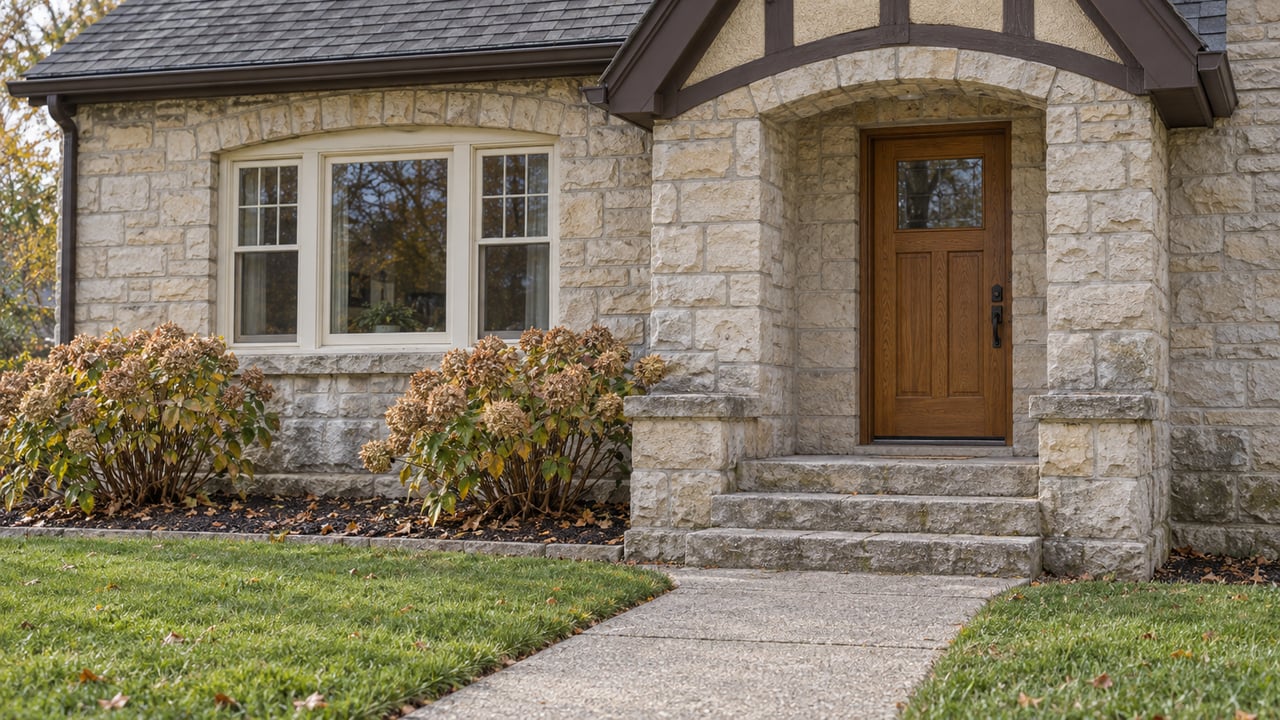
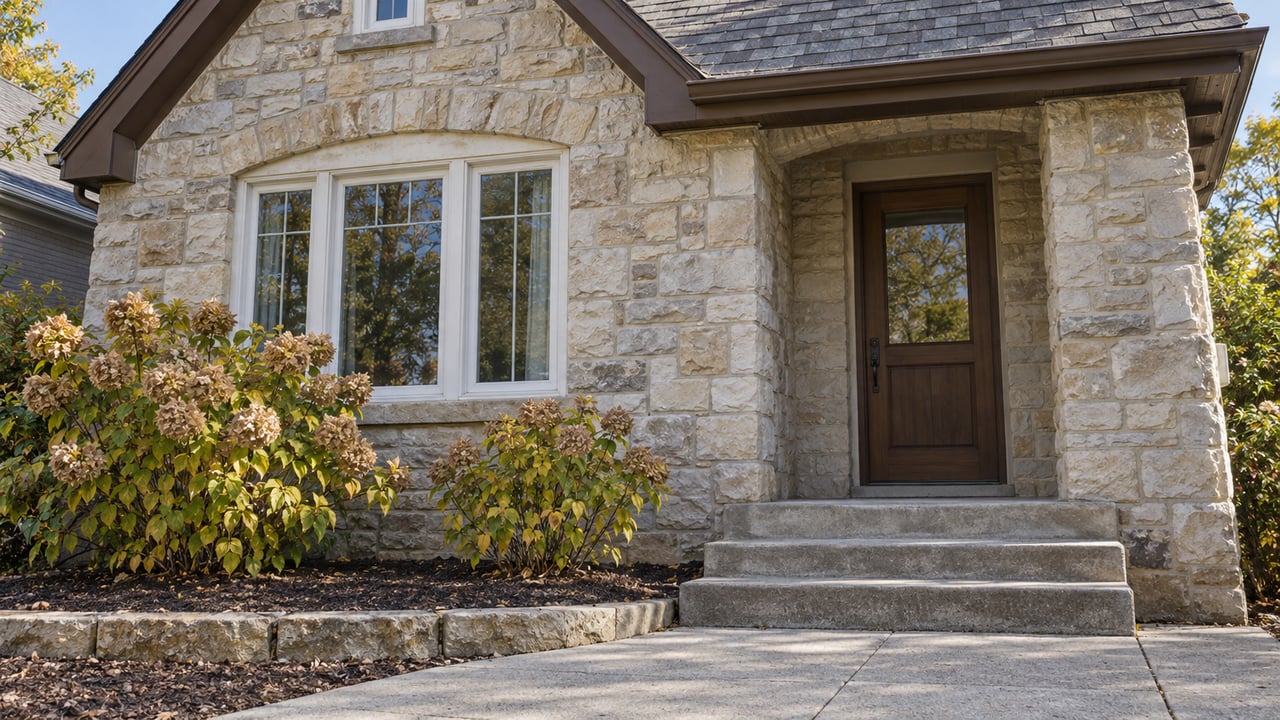
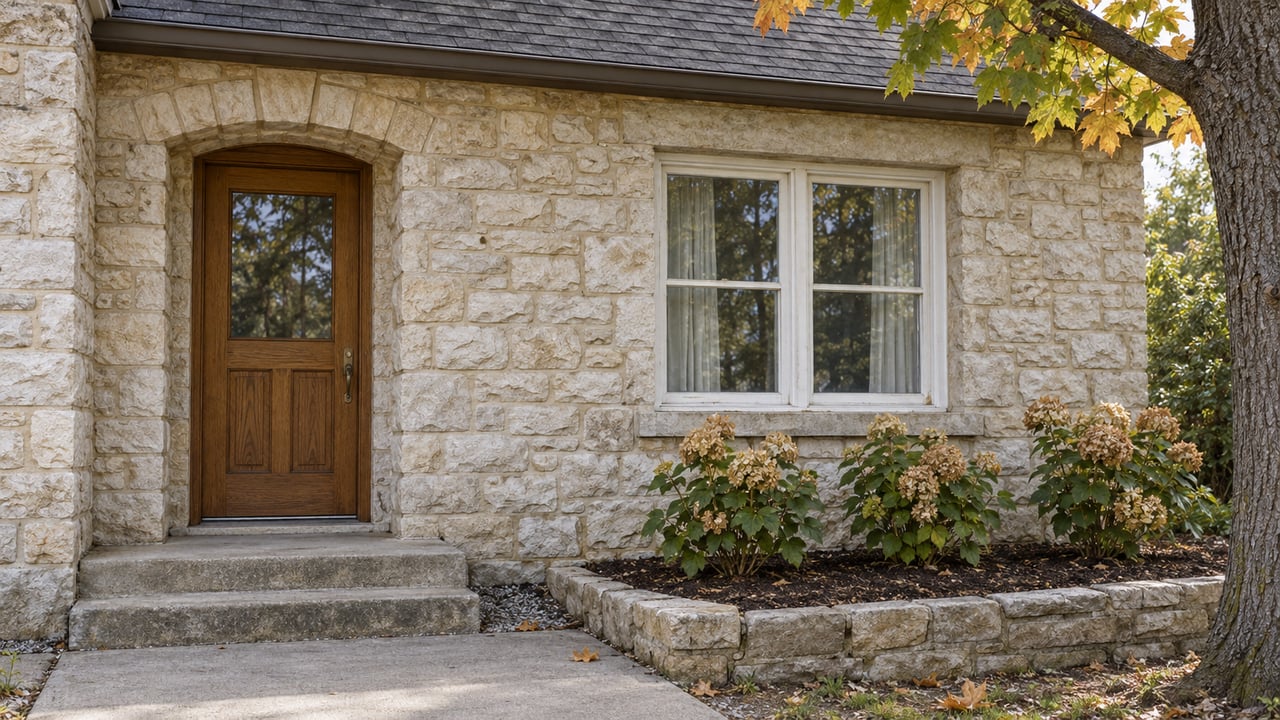
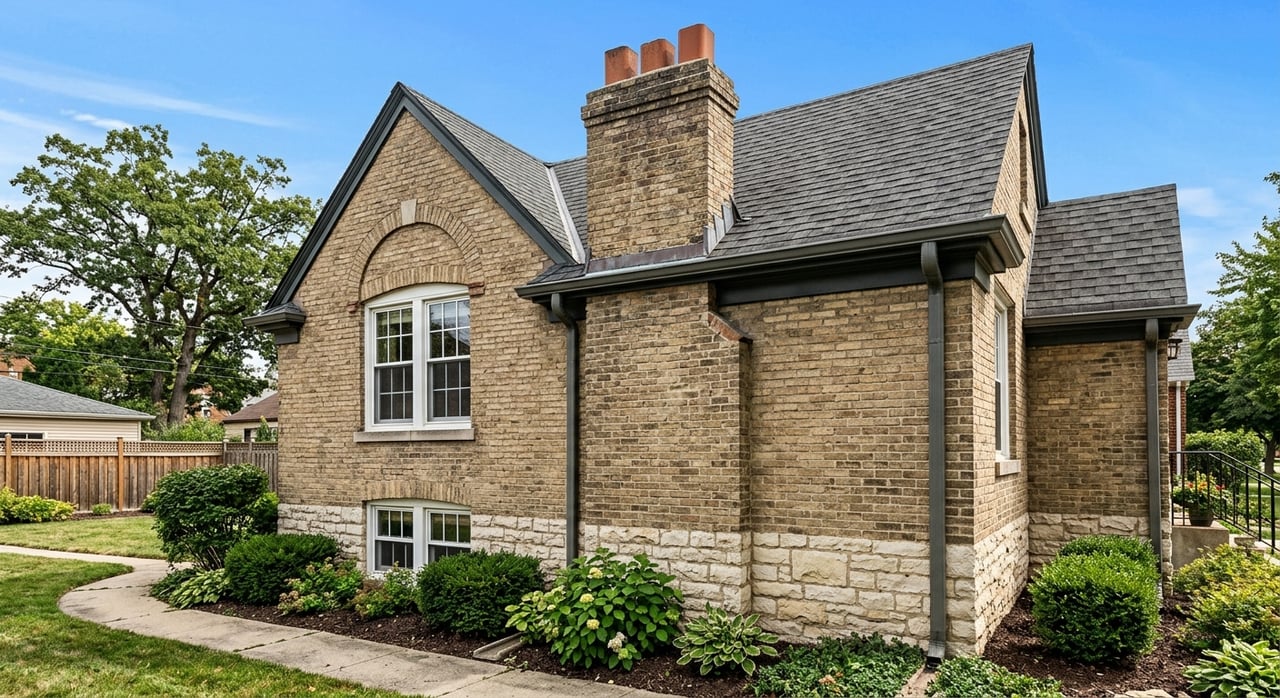
Older homes often offer details that are hard to replicate today. You may find original millwork, masonry, distinctive rooflines, built-ins, and room layouts that reflect the era in which the house was built. That appeal is a big reason many buyers target Shorewood in the first place.
At the same time, older floor plans can come with tradeoffs. Village survey feedback notes that buyers and residents often encounter small hallways and doors, one-full-bath layouts, and small garages. Some homes may also feel less standardized because they were built with older construction methods and dimensions.
That does not make an older home a bad fit. It simply means you should look closely at how the house supports your daily life. Think about bedroom sizes, storage, garage space, bathroom count, and whether the existing layout works well for how you live now.
Before you fall in love with the details, consider a few practical questions:
These questions matter because the cost of adapting an older floor plan can add up quickly. A beautiful home that needs major functional changes may still be right for you, but you will want to price that in from the start.
In Shorewood, this is one of the most important early checks. The village says lead water service lines are common in its older housing stock, and its public information notes estimates ranging from nearly 70% to about 90% of homes. The village also states that structures built before 1951, which includes most homes in Shorewood, likely have lead water service lines.
Because the estimate varies by page, the safest step is to verify the specific property using the village’s address-level dashboard. This is not something to assume based on listing photos or seller updates. It is a property-specific detail that can affect your planning and your comfort level.
If you are comparing older homes in Shorewood, this should be part of your early due diligence. It is often better to know the water-service status before you finalize your offer strategy, rather than discovering it later in the process.
Older homes can contain materials that need careful handling, especially if you plan to renovate. According to the EPA, 87% of homes built before 1940 have some lead-based paint. The agency also notes that windows, doors, stairs, railings, and porches are common trouble spots because friction and wear can create lead dust when paint deteriorates.
That does not mean every older home is unsafe or unmanageable. It does mean you should pay attention to peeling paint, worn trim, and any surfaces likely to be disturbed during repairs or remodeling. If the home needs updates, professional evaluation becomes especially important.
Asbestos is another common older-home issue. Federal guidance says it may be found in materials such as floor tile, pipe or furnace insulation, shingles, and siding. The biggest concern is usually when these materials are damaged or will be disturbed during renovation, which is why targeted testing or professional handling may be worth discussing during your inspection period.
Electrical updates are a major checkpoint in historic homes. The Wisconsin Historical Society recommends a thorough electrical inspection when buying or moving into a historic building. That is practical advice for Shorewood buyers, especially when a home may have had decades of repairs, additions, or partial upgrades.
One system to watch for is knob-and-tube wiring, which was common in early-1900s through 1940s buildings. The Wisconsin Historical Society notes that it has no grounding wire and can be a fire hazard. Mixed old-and-new wiring or wiring that looks haphazardly installed can also signal that repair or replacement may be needed.
In real terms, this is one of the hidden areas that can affect both cost and timing after closing. A home can look beautifully updated on the surface while still needing meaningful electrical work behind the walls.
Fresh paint and updated fixtures are nice, but they should not distract you from the bigger picture. EPA guidance on older homes points buyers toward the areas where age-related air leaks and moisture issues often show up first: the foundation, walls, roof, doors, windows, attic-floor openings, gutters, and downspouts.
These parts of the home help manage water and protect the structure over time. If they have been neglected, repairs can become more expensive than cosmetic updates. During showings and inspections, it helps to think about how the home sheds water, how well windows and doors appear maintained, and whether the roofline and exterior drainage seem to have been cared for.
Ask your inspector to pay close attention to:
These are often the systems that shape long-term ownership costs. In many older homes, the biggest surprise is not the kitchen finish. It is deferred maintenance in the structure or systems.
Shorewood buyers have a useful local resource: the village maintains building and trade permit records online through its Planning & Development Department. Reviewing permit history can help you confirm what has been updated, what may still be original, and whether major work appears to have been completed through the proper channels.
This step is especially helpful when a home has been remodeled over time. A renovated bathroom or updated lower level may look great, but permit records can provide helpful context about when work was done and what systems may have been involved.
For buyers, this is also a good reality check. If a home is priced like it has been fully modernized, but key systems or major improvements do not show up in the record, you may want to ask more questions.
If you are buying an older Shorewood home with plans for additions or exterior updates, timing matters. The village states that projects changing a building’s exterior require approval by Shorewood’s Design Review Board. Its 2026 Housing Affordability Report says exterior projects usually move through zoning and design review, with approvals typically taking about two to three weeks, and permits valid for four months.
That does not mean your plans will be difficult. It does mean you should factor local review into your timeline and budget, especially if your vision includes porch work, an addition, or a visible exterior alteration.
For many buyers, this step is worth it because Shorewood’s architectural character is part of the appeal. Still, it is best to understand the process before you buy, not after.
It is easy to assume an older home should cost less, but that is not always how Shorewood works. Local survey feedback describes strong demand, walkability, architectural character, and high resale values as reasons the village’s housing stock retains value. At the same time, the same feedback points to aging-stock maintenance, lead paint, asbestos, retrofit costs, and high property taxes as real burdens.
That combination matters when you evaluate price. In Shorewood, age may not create an automatic discount. Instead, buyers often need to separate visible charm from hidden cost, then decide whether the asking price reflects both.
A well-maintained older home with updated systems may justify a premium. A similar home with deferred maintenance or legacy infrastructure issues may still be appealing, but only if you budget for the work ahead.
If you are serious about buying in Shorewood, a careful process can save you money and stress. Older homes here can be wonderful long-term purchases, but they reward buyers who do strong homework early.
A practical approach includes:
This kind of due diligence does not take the joy out of the search. It gives you a clearer picture of what you are buying and helps you move forward with confidence.
Buying an older Shorewood home can be incredibly rewarding when you know how to evaluate it well. If you want a local guide who can help you balance character, condition, and long-term value, connect with Elissa Berkoff for thoughtful, neighborhood-focused support.
Elissa is committed to providing exceptional value, personal care and service tailored to the requirements of her clients. The real estate experience that Elissa offers goes over and above what her clients expect. This is important as her goal is not to simply meet their expectations but to exceed them, even well beyond closing.