Your Shorewood Commute to Downtown Milwaukee Guide
Thinking about living in Shorewood but working in downtown Milwaukee? You want a short, predictable commute that still leaves time for school drop-offs, workouts, and dinner at a decent hour. This guide walks you through every viable option so you can choose the routine that fits your life and budget. You’ll find typical travel times, practical trade-offs, and local planning resources. Let’s dive in.
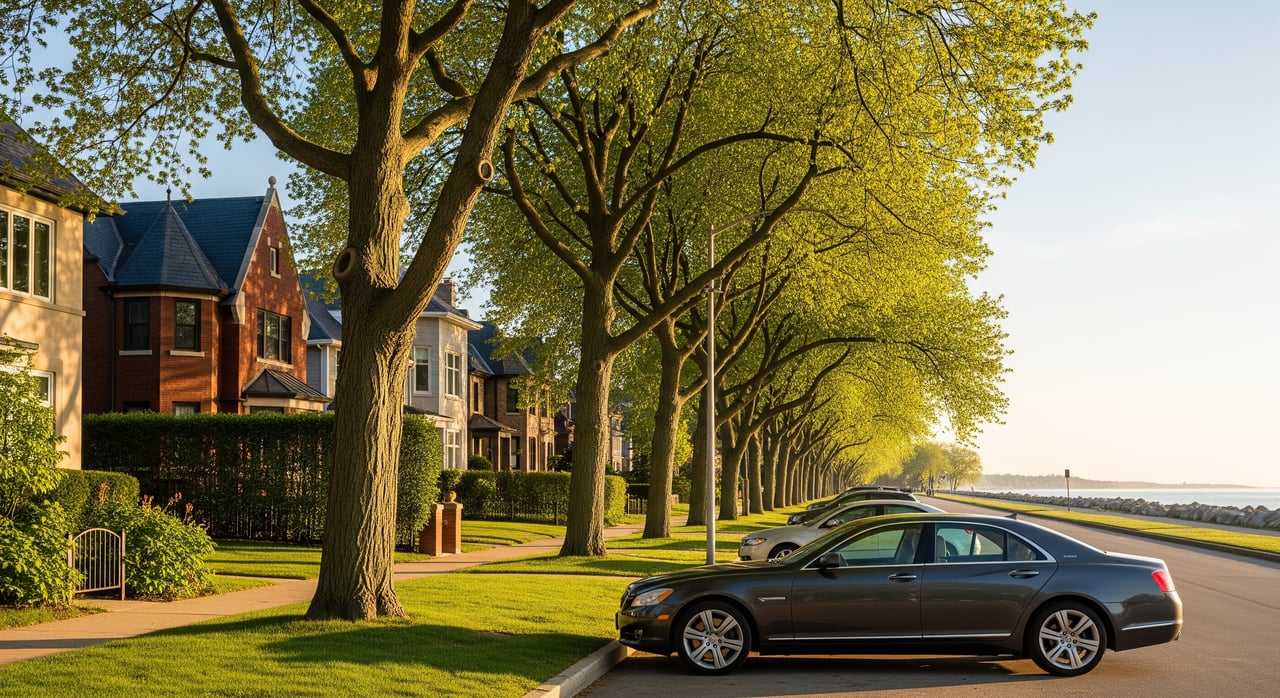
Shorewood sits immediately north of Milwaukee along Lake Michigan. Most downtown destinations are about 2–5 miles away, which opens up real choices for how you get to work. You can drive, ride the bus, bike on the lakefront trail, or blend options.
If you’re new to the area, start by exploring the Village of Shorewood official site for neighborhood orientation. For cycling and walking, the lakefront segment of the Oak Leaf Trail connects Shorewood to downtown on a mostly separated path. See the county’s trail overview on the Oak Leaf Trail page to visualize the route.
For such a short trip, Shorewood’s surface streets are direct and often predictable. You can also reach the I-43 and I-94 corridors toward downtown. Freeways can be faster off-peak, but on- and off-ramps plus short intra-city distances may reduce the advantage.
Expect about 10–25 minutes outside peak hours. During typical weekday peaks, plan on 20–35 minutes or more. Check regional traffic and construction updates on the Wisconsin Department of Transportation travel page before you leave.
Parking downtown includes meters, municipal lots, and private ramps. Rates and monthly permits vary by location. If you will park daily, include that cost in your monthly commute budget and ask your employer about subsidies. Review current options on the City of Milwaukee parking page.
Families often choose driving for childcare drop-offs and errands. Build in time for parking and consider a backup route on event days.
The Milwaukee County Transit System provides fixed-route bus service between Shorewood corridors and downtown Milwaukee. There is no heavy commuter rail serving Shorewood. Typical door-to-door trips take 15–35 minutes, depending on the route, stop spacing, and whether you need a transfer. Service is more frequent during weekday peaks and lighter in the evenings and on weekends.
Many buses include front-mounted bike racks, which can help in shoulder seasons. Fares, passes, and real-time tools are available on the MCTS website. Employer transit benefits can lower your monthly cost. For families, strollers are manageable, but you will want to plan around peak crowding and schedule reliability.
If you enjoy active commuting, the Oak Leaf Trail’s lakefront segment offers a mostly separated path into downtown with minimal car interaction. For a 3–5 mile ride, plan on roughly 15–30 minutes depending on your route and pace. Explore the county’s overview and connections on the Oak Leaf Trail page.
Cycling is comfortable in spring and fall. Winter riding is possible with the right gear, but trail and bike-lane clearing can vary. Micromobility options like bike share or scooters may be available in some seasons and locations. Families often mix biking with transit or driving, and some use cargo bikes or trailers for younger children.
If you live in southern Shorewood, walking to downtown can take 30–90 minutes based on your start and destination. Many residents go multimodal for flexibility. Options include biking to a frequent bus stop, driving to a park-and-ride, or walking a portion of the route. These blends can cut costs while keeping your arrival time consistent.
Use this quick list to compare modes side by side and avoid surprises.
If your morning includes childcare drop-off, driving or a hybrid approach is often the simplest. Consider a routine like drive for drop-off, then park and hop a bus into downtown. For cyclists, check for secure storage at home and at your workplace.
Have an emergency backup for late-day pickups. Options include rideshare, a flexible work window, or a partner’s alternate route. During winter storms, many families switch to transit or driving for a few days and return to biking once conditions improve.
Use live tools the first week in your new routine, then fine-tune.
Your commute should support your life, not run it. Whether you prefer the steering wheel, a transit pass, or a morning ride along the lake, you can build a reliable routine from Shorewood. If you want a local guide to match your home search with your commute, reach out to Elissa Berkoff. Let’s connect — get your instant home valuation.
Elissa is committed to providing exceptional value, personal care and service tailored to the requirements of her clients. The real estate experience that Elissa offers goes over and above what her clients expect. This is important as her goal is not to simply meet their expectations but to exceed them, even well beyond closing.