Love the look of Whitefish Bay homes but not sure how to tell a Tudor from a Colonial at a glance? You are not alone. Many homes here were built in the early 1900s, which means rich character, unique details, and layouts that feel different from newer builds. In this guide, you will learn how to spot the most common styles, what floor plans typically offer, and how to approach updates and listing prep with confidence. Let’s dive in.
Why Whitefish Bay’s era matters
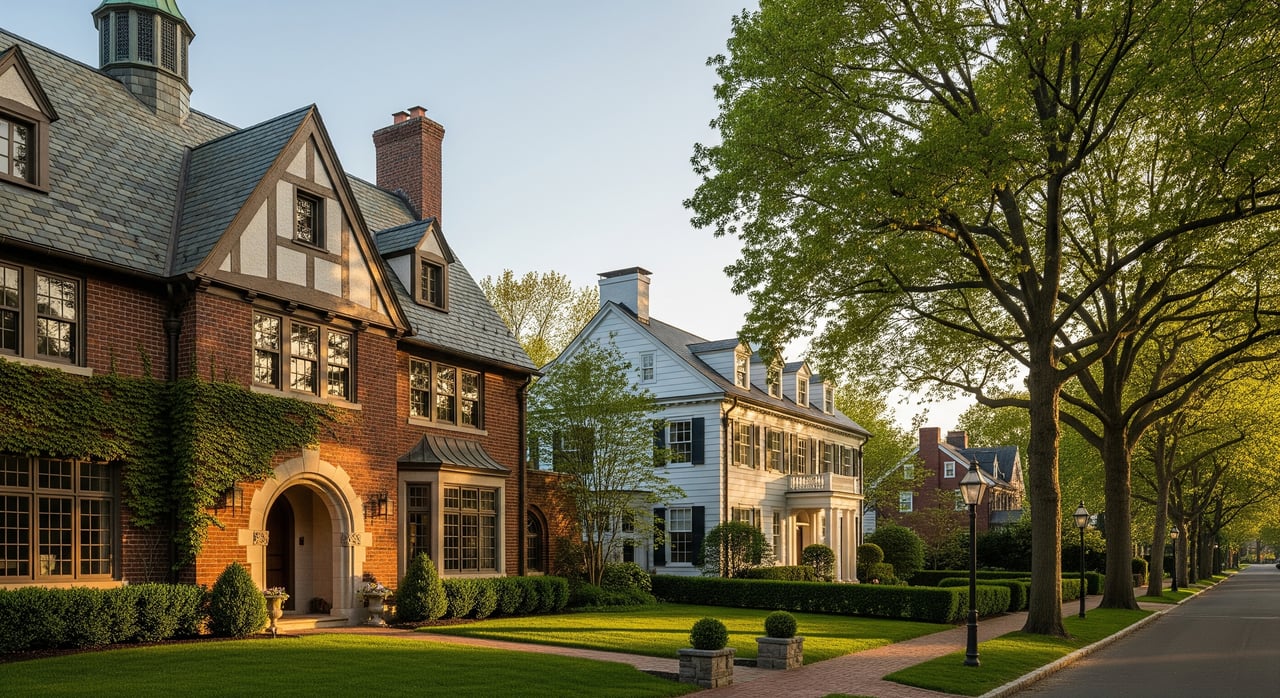
Whitefish Bay grew rapidly from about 1900 to the mid‑1940s, so you will find a concentration of period architecture across the village. That includes Tudor Revival, Colonial Revival, Craftsman bungalows, and a few Prairie‑influenced designs. These homes often feature mature landscaping, consistent setbacks, and original materials that give streets a timeless look. Knowing the era helps you anticipate room sizes, likely mechanical upgrades, and smart ways to modernize without losing character.
Tudor Revival: storybook charm
How to spot a Tudor
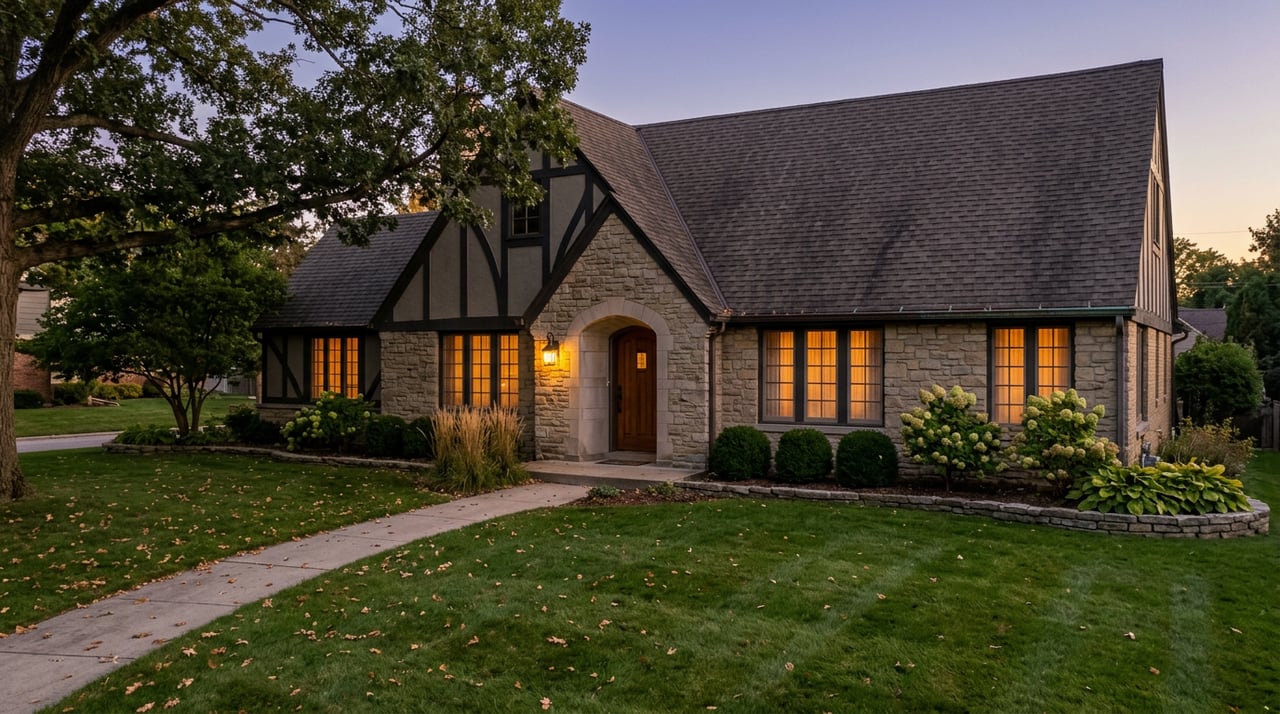
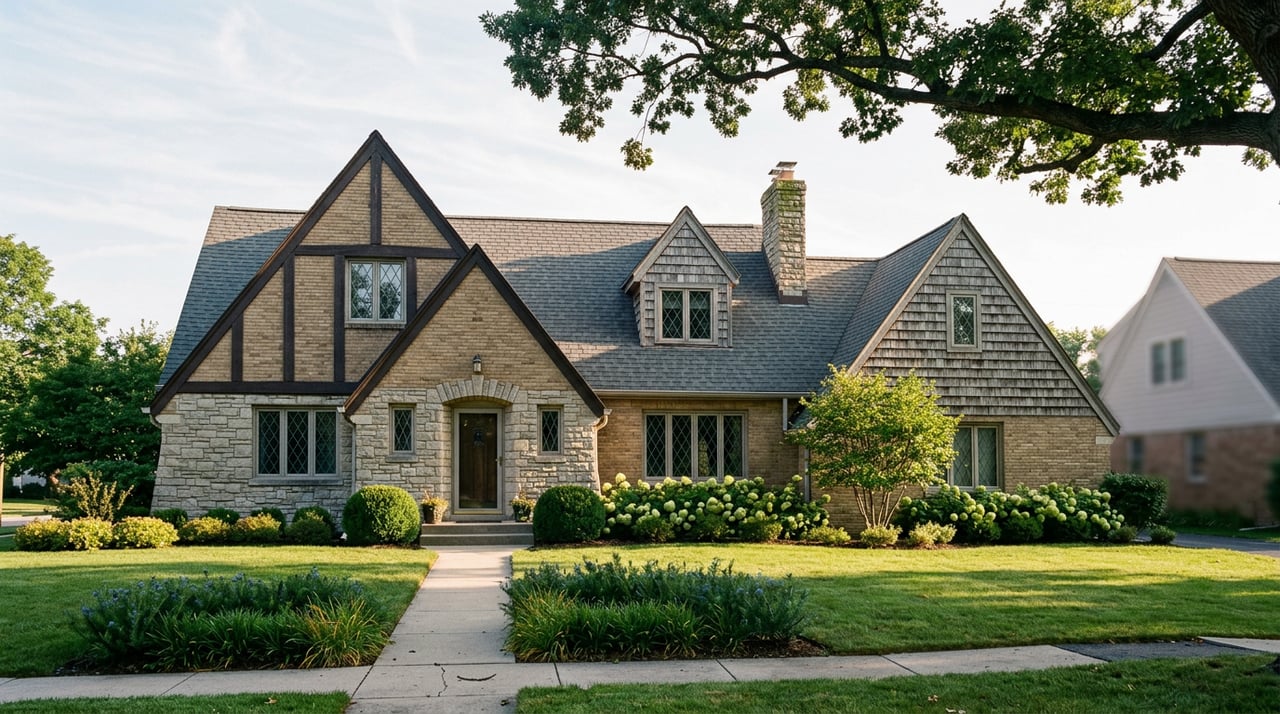
- Steep, multi‑gabled roofs and prominent cross gables
- Decorative half‑timbering with stucco infill on upper walls
- Tall, narrow casement windows, sometimes with leaded or diamond panes
- Asymmetrical facades, arched entries, and substantial brick or stone chimneys
Inside the layout
- Intimate, compartmentalized rooms with cozy nooks
- Plaster walls, exposed beams, arched doorways, and original wood trim
- Bedrooms usually on the second floor, with basements and often usable attics
- Kitchens were originally modest and more separate from living areas
Why buyers love it
- Romantic curb appeal, rich woodwork, and handcrafted details
- Unique windows and millwork that feel one‑of‑a‑kind
Tips for sellers
- Highlight original beams, leaded glass, and half‑timbering in photos
- Stage for a warm, connected flow to offset smaller room sizes
- If systems are upgraded, keep period‑appropriate registers and grilles visible for authenticity
Colonial Revival: timeless symmetry
How to spot a Colonial
- Balanced, symmetrical facade with a centered front door
- Decorative pediment or a small portico with columns
- Multi‑pane, double‑hung windows with shutters
- Gable or hipped rooflines with classic trim
Inside the layout
- Center‑hall plan with a formal living room and dining room on either side
- Larger rooms than most bungalows, with more formal separation than Tudors
- Original paneling or built‑ins may appear in dining rooms and libraries
Why buyers love it
- Traditional proportions and a clear sense of order
- Easy to furnish and great for hosting in defined rooms
Tips for sellers
- Emphasize curb symmetry and the entertaining potential of formal rooms
- If opening sightlines, do it thoughtfully to preserve proportion and flow
Craftsman and American Bungalow: warm and handcrafted
How to spot a Craftsman/Bungalow
- Low‑pitched gabled roofs with wide eaves and exposed rafters or brackets
- Welcoming front porches with tapered columns
- Grouped windows and natural materials like wood and stone
Inside the layout
- One to one‑and‑a‑half stories, often with connected living and dining spaces
- Built‑ins like bookcases, window seats, and hutches
- Modest original kitchens and baths that are frequently updated
Why buyers love it
- Cozy, human‑scale rooms and visible craftsmanship
- Porches and easy outdoor connections for day‑to‑day living
Tips for sellers
- Showcase the porch and any original built‑ins in photos
- Use classic materials in updates to blend old and new
Prairie and transitional: horizontal lines
How to spot Prairie influences
- Strong horizontal emphasis, low‑pitched roofs, and broad eaves
- Grouped windows and restrained ornamentation
- A design that feels integrated with the landscape
Inside the layout
- More open circulation and built‑in cabinetry in select areas
Buyer appeal and positioning
- Distinct Midwestern character with a modernist lean
- Emphasize the uniqueness and period authenticity in marketing
Hybrid homes are common
Many Whitefish Bay houses blend styles, like a Colonial plan with Craftsman details. You might see a symmetrical facade paired with exposed brackets or a Tudor‑style entry on a largely Colonial design. Treat style identification as a spectrum rather than strict categories. Focus on the dominant cues and the overall feel of the home.
Typical floor plans and modern living
Homes from the early 1900s through the 1940s often include defined public rooms on the main floor and bedrooms upstairs. Kitchens started smaller and more separate, as did mudrooms, which creates opportunities for smart reconfiguration. Basements are common and useful for storage or finished living space if moisture is managed. Many original garages were detached; some properties now feature attached garages or later additions.
Layout opportunities to consider
- Open selective, non‑load‑bearing walls to improve sightlines
- Rework the kitchen for better function without erasing original charm
- Convert smaller rooms into a home office, mudroom, or pantry
- Finish the basement with proper moisture control and insulation
What to inspect in period homes
Older homes can offer lasting quality, but it pays to review key systems. If you are buying, bring a checklist to showings. If you are selling, consider pre‑inspections to address issues early.
- Electrical: identify any knob‑and‑tube wiring; many homes have upgraded to 100–200 amp panels
- Insulation and windows: original single‑pane windows and minimal insulation are common; weatherization can help
- Lead paint and asbestos: homes built before 1978 may contain lead‑based paint; older floor tiles and insulation can include asbestos
- Roofs and masonry: inspect chimneys and older roofing materials
- Foundations and basements: check for cracks and signs of moisture
- Mechanicals: evaluate the age and efficiency of boilers, furnaces, and water heaters
Buyer search tips in Whitefish Bay
Style‑conscious buyers can find the right fit faster with a focused approach.
- Use listing keywords like Tudor, Colonial Revival, Craftsman, Bungalow, built‑ins, leaded glass, arched entry, and original woodwork
- Filter by year built from roughly 1900 to 1945 to target period homes
- Look at lot size, mature trees, and porch space if outdoor living matters
- During showings, note original trim, windows, built‑ins, and any modern alterations that changed flow
Seller listing prep that pays off
Thoughtful preparation helps period features shine and supports a strong sale.
- Lead with character: photograph facades, porches, entries, fireplaces, moldings, and built‑ins
- Repair before replacing: address peeling paint, gutters, and roof issues; preserve original elements when possible
- Update where it counts: kitchens and primary baths deliver the greatest return when done with classic materials and scaled cabinetry
- Disclosures: complete required lead‑based paint forms for pre‑1978 homes and consider pre‑listing inspections
- Staging: use neutral, period‑appropriate palettes and remove fixtures that clash with the home’s style
- Pro photography: include golden‑hour exteriors and close‑ups of distinctive details
Pricing and broad buyer appeal
Period charm and intact original details can command a premium, especially among buyers who value craftsmanship. Many buyers also want practicality, like updated mechanicals and improved insulation. The strongest listings balance character with function, showing how the home lives well today. Present both the emotional appeal and the everyday ease.
Support for updates and presentation
If you are preparing a higher‑value listing, targeted, tasteful improvements often accelerate time to market and improve your net. With a high‑touch approach and access to marketing tools, you can elevate presentation without losing what makes your home special. Thoughtful planning helps ensure every dollar you spend supports buyer confidence and stronger offers.
Ready to explore homes or prep yours for market in Whitefish Bay? Reach out to work with a local expert who understands period styles, smart updates, and how to position your home for today’s buyers. Connect with Elissa Berkoff to get tailored guidance for your next move.
FAQs
What are the most common home styles in Whitefish Bay?
- You will most often see Tudor Revival, Colonial Revival, and Craftsman bungalows, with some Prairie‑influenced and hybrid designs across the village.
How can I quickly identify a Tudor or Colonial from the street?
- Tudors show steep, multi‑gabled roofs, half‑timbering, and arched entries; Colonials show balanced facades, centered doors, and multi‑pane double‑hung windows.
Do period Whitefish Bay homes typically have open floor plans?
- Most have defined rooms with kitchens that started smaller; selective wall openings and kitchen reworks can improve flow while preserving character.
What updates add value without erasing original charm?
- Prioritize kitchens and primary baths with classic materials, preserve woodwork and windows where feasible, and address mechanicals, roofing, and moisture management.
What should I check during a showing of an older home?
- Review electrical, windows and insulation, signs of lead paint or asbestos, roof and chimney condition, foundation and basement moisture, and the age of mechanicals.