Bayside Was Built In One Generation. That's Why The Same Findings Keep Showing Up On Inspection Reports.
Walk through five Bayside listings from five different decades of a seller's life, and the inspection reports start to read like the same document with different addresses. A flagged electrical panel here. A note about galvanized supply lines there. A radon reading that crosses the action level in a basement rec room. This isn't a string of bad luck or careless ownership. It's what happens when a village builds nearly its entire housing stock inside one twenty-year window and then sells those same houses forty, fifty, sixty years later.
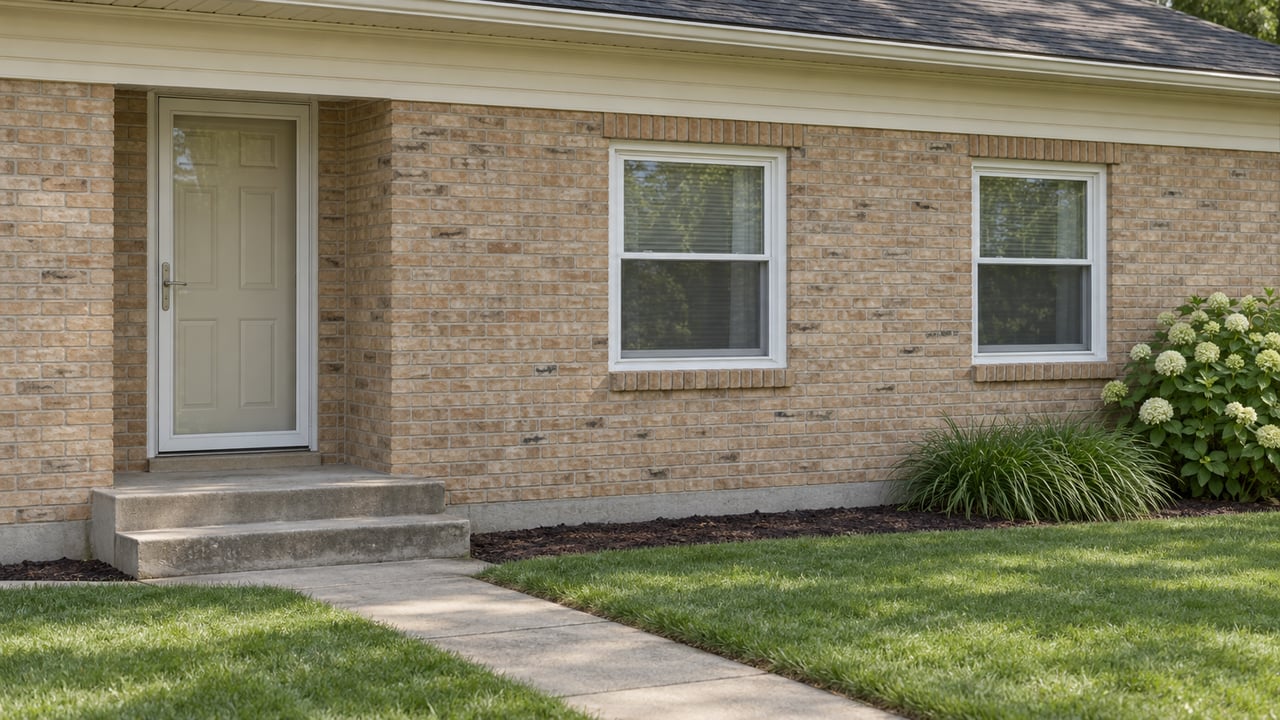
Bayside incorporated in 1953. The bulk of its housing dates from that year through the late 1970s, a stretch that produced the ranches, colonials, and split-levels that still make up most of the village today. Developer Joseph Mollica organized the Orchard Highlands Subdivision in 1956, one of several tracts, alongside Old Orchard Farms and North Shore East, that filled in Bayside's roughly two-and-a-half square miles with quarter-acre-to-one-acre lots and ranch homes often under 2,000 square feet. A house built into that timeline doesn't just carry a certain style. It carries whatever building materials and electrical standards happened to be common in the specific year it went up. And because so many Bayside homes share that narrow window, they tend to share the same handful of age-typical issues.
Copper prices spiked in the mid-1960s, and for about eight years, from roughly 1965 to 1973, some builders substituted single-strand aluminum wire for copper in branch circuits. That window sits squarely inside Bayside's main construction period. A home inspector working through the NACHI guide to older-building defects will tell you aluminum wiring isn't automatically dangerous, but it degrades faster than copper at connection points, and it needs devices rated CO/ALR or a professional pigtailing repair to meet current safety standards. The wire is identifiable by color or by a label reading CO/ALR, aluminum, or AL, and once an inspector spots it, the report will recommend a licensed electrician before anyone talks price.
What's rarer in Bayside, compared to older Milwaukee neighborhoods closer to downtown, is knob-and-tube wiring, which was standard from the 1880s through the 1940s. Because almost none of Bayside existed before 1953, that particular defect mostly skips the village. Aluminum wiring is the one that actually belongs to this address.
The village's first wave of construction, the years right around incorporation and the 1956 Orchard Highlands plat, falls into the period when galvanized steel was still the standard supply pipe. Steel water lines installed before 1960 corrode from the inside out over decades, which shows up on inspection as reduced water pressure, discolored water, or pipes that have already been partially replaced in a patchwork of copper and steel. It isn't a defect that fails a home outright. It's a maintenance item that buyers increasingly ask about, and one that tends to surface specifically in Bayside's oldest lots rather than its later 1970s infill.
Wisconsin's statewide average radon reading sits around 1.3 pCi/L, well under the action level of 4.0 pCi/L where the Milwaukee Health Department recommends mitigation. Radon risk has less to do with where Bayside sits and more to do with how its houses were built. The ranch layout that defines so much of the village's original stock puts a basement, often at least partially finished as a rec room, under nearly every home on those big lots. More basement square footage that people actually use means more exposure if a test comes back elevated, and a mitigation system typically runs $1,500 to $2,000 to install. It's a manageable cost, but it's one almost every buyer of an original Bayside ranch will ask about, because the housing type invites the question.
Wisconsin sellers are required to complete a Real Estate Condition Report under Chapter 709 of the state statutes and deliver it to the buyer within 10 days of an accepted offer. The form asks direct yes-no-not known questions about wiring, plumbing, and environmental conditions like radon. What it doesn't do is define, case by case, whether your specific aluminum circuit or your section of galvanized pipe rises to the level of a legal defect. The statute defines a defect as a condition that would significantly affect the property's value, significantly impair health or safety, or shorten the normal life of the home if left unaddressed, but real estate licensees are explicitly barred from telling a seller whether an item meets that bar. That judgment call belongs to the owner.
This is where the era-specific nature of Bayside's housing stock turns into actual transaction risk. A seller who genuinely doesn't know their wiring type can check "not known" in good faith. A seller who knows the panel is original from 1968 and checks "no" anyway is taking on exposure they may not fully understand. And under state law, a buyer who receives a report disclosing a defect has two business days to rescind the offer entirely, which is exactly the kind of late surprise that can unravel a deal that looked finished. Wisconsin's disclosure structure encourages sellers to get ahead of the form rather than fill it out from memory.
For an original-condition Bayside ranch, that usually means three phone calls before the listing goes live: an electrician to confirm the wiring type and price out a pigtail repair or partial rewire if the panel is original, a plumber to check whether the supply lines are still galvanized or already updated, and a radon test given how common finished basements are in this housing stock. None of these are guaranteed to turn up a problem. Plenty of Bayside homes have already had a panel upgrade or a plumbing update somewhere in their history. But knowing the answer before the Real Estate Condition Report is due means the form gets filled out with confidence instead of guesswork, and it means any fix, if one is needed, happens on the seller's timeline rather than during a renegotiation after inspection.
This is also where Compass Concierge tends to make the most sense for this specific kind of listing. Rather than paying out of pocket up front for an electrical panel update or a radon mitigation system, a seller can use Concierge to cover the work before listing and settle the cost at closing, which keeps a known, fixable, decades-old building material from turning into a last-minute price concession.
Does every Bayside home built in this era have aluminum wiring or galvanized plumbing? No. Plenty of homes from the 1953 to late 1970s window have already had electrical or plumbing updates, sometimes decades ago. The point isn't that every original Bayside home has these issues. It's that when they do show up, they cluster around the years the village was actually built.
Is it illegal to sell a home with aluminum wiring in Wisconsin? No. It's not banned, and it doesn't have to be removed by code. It does need to be disclosed if the seller knows about it, and inspectors will flag it for a buyer's attention regardless.
What does a radon mitigation system actually cost? Local guidance from the Milwaukee Health Department puts a typical system at $1,500 to $2,000, installed as a series of fans and pipes that direct soil gas outside rather than letting it collect in the basement.
If you're sitting on an original Bayside ranch or colonial and trying to figure out whether its wiring, plumbing, or basement is going to become a conversation during inspection, Elissa Berkoff can walk the property with you before you list, help you decide what's worth addressing through Compass Concierge, and make sure the Real Estate Condition Report reflects what you actually know rather than what you're guessing.

Moving to Milwaukee, Wisconsin? Explore MKE airlines, nonstop destinations and airfare, plus Milwaukee home-buying travel tips and real estate with REALTOR® Elissa Ber… Read more
Elissa is committed to providing exceptional value, personal care and service tailored to the requirements of her clients. The real estate experience that Elissa offers goes over and above what her clients expect. This is important as her goal is not to simply meet their expectations but to exceed them, even well beyond closing.