Planning To Downsize From Shorewood? A Step-By-Step Roadmap
If you’ve lived in your Shorewood home for years, downsizing can feel both exciting and overwhelming. You may be ready for less upkeep, easier day-to-day living, or a home that better fits this next chapter, but that does not make the process simple. The good news is that with the right plan, you can make thoughtful decisions, reduce stress, and position your home well in a market where buyers still strongly value Shorewood. Let’s walk through it step by step.
Downsizing in Shorewood is not just about leaving a larger house behind. It often means parting with a home full of memories in a village where people stay for a long time and where demand remains strong.
Shorewood has a broad mix of residents, and the village describes it as a walkable urban community that appeals to families, active singles, and seniors. That matters when you sell, because your home may attract several kinds of buyers at once, from local households to relocation buyers coming from elsewhere in the Milwaukee area and even Chicago.
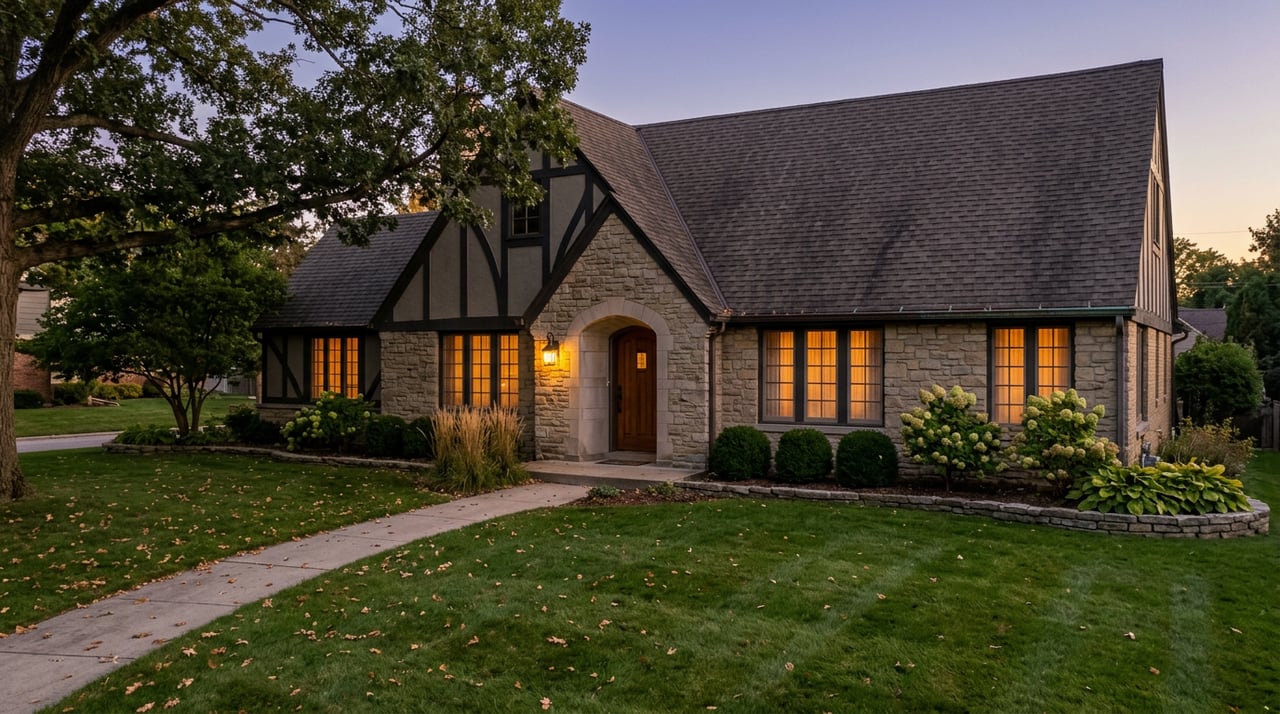
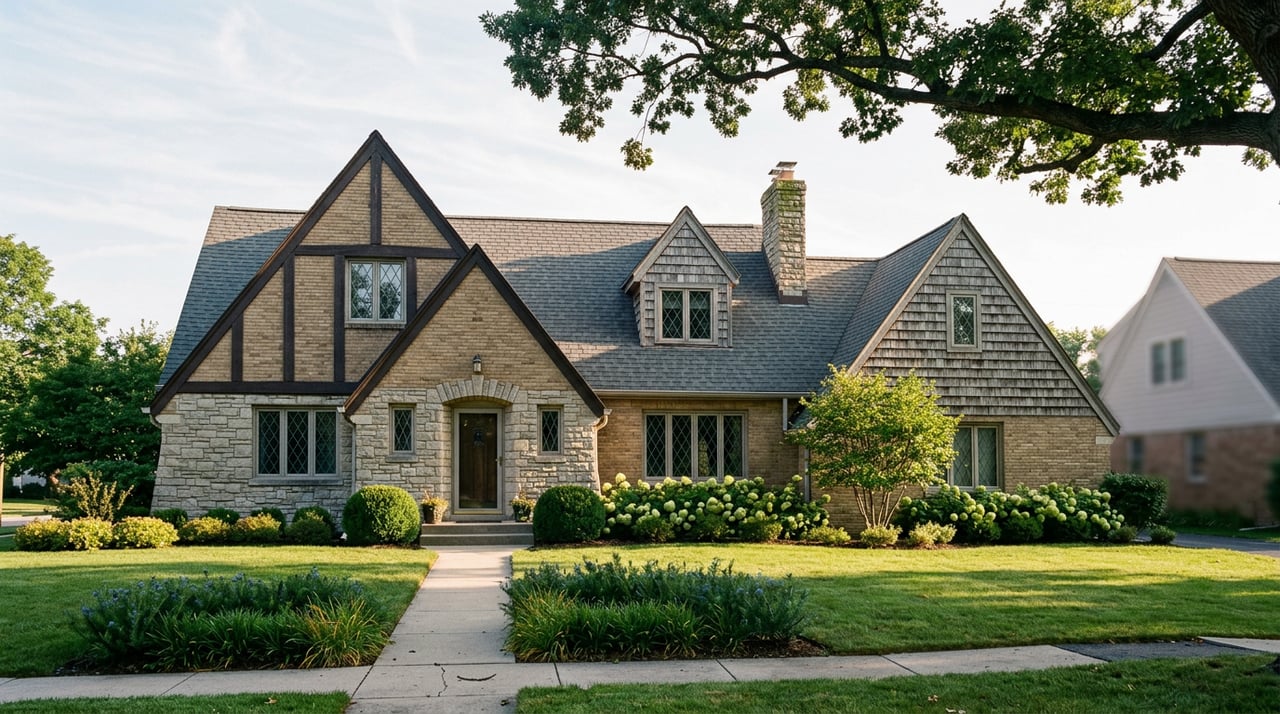
The housing stock also shapes the downsizing process. According to village planning materials, 52.7% of Shorewood homes were built in 1939 or earlier. These older homes are a big part of the area’s appeal, but they can also come with maintenance needs, repair questions, and project decisions that are especially important when you are preparing to sell.
Many homeowners wait for one big moment to tell them it is time to downsize. In reality, the signs are often practical and build over time.
You may be ready if your house feels larger than you need, stairs are becoming harder to manage, yard work feels like a chore, or postponed repairs keep piling up. Sometimes the goal is not just a smaller space, but a simpler one.
That is especially relevant in older homes that were not designed with aging in place in mind. If your current home is no longer easy to move through or maintain, downsizing may help you create a setup that supports your daily life better.
Before you sort a single closet, get clear on where you want to go next. The best downsizing decisions start with your future lifestyle, not your current storage problems.
Think through the features that matter most to you, such as:
If possible, measure the furniture and belongings you truly want to keep. A clear sense of what will fit in your next home can make every later decision easier.
For many Shorewood homeowners, the goal is not necessarily leaving the village. Shorewood’s housing mix includes options beyond detached single-family homes, including two-unit structures and attached housing, which can create opportunities for a smaller or lower-maintenance move while staying close to familiar places.
One of the most common downsizing mistakes is waiting too long to begin. Decluttering takes longer when a home has been lived in for many years, especially when items carry family history and emotional weight.
Start early and work by category, not by room. That usually makes it easier to compare similar items and decide what truly needs to move with you.
A simple sorting system can help:
Try to avoid a large “maybe” pile. It often slows the process and adds stress later.
If the work feels too personal or too big to handle alone, support can make a real difference. A move manager or organizer can help create structure, keep you on schedule, and reduce decision fatigue during an emotional transition.
When your home is older and full of character, it can be tempting to think you need a major remodel before listing. In many cases, that is not the best use of your time or money.
In Shorewood, buyers are often drawn to well-kept homes with strong presentation, good light, and visible care. That means the most useful updates are often targeted ones, such as repairs, paint touch-ups, cleaning, and curb appeal improvements, rather than a full renovation.
A thoughtful pre-listing plan may include:
This is also where a strategic listing plan matters. Elissa Berkoff takes a high-touch, neighborhood-focused approach and can help you identify which improvements are worth making before you list. Through Compass Concierge, some sellers may also have access to pre-funding for targeted updates that help improve presentation and marketability.
If your prep plan includes exterior work, do not leave local approvals until the last minute. In Shorewood, changes to a building’s exterior require Design Review Board approval, and application materials are due 10 days before the meeting.
That can affect projects such as:
The village also notes that some permanent structures and landscape changes may be affected by setback or right-of-way rules. Even smaller projects can create delays if you discover approval requirements too late, so it is smart to review these rules early in your prep timeline.
Older Shorewood homes can have features that deserve early attention during the selling process. One important example is water service lines.
The village says most Shorewood homes were built when lead was commonly used in water lines and plumbing components, and it estimates that about 90% of homes have lead water services. That does not automatically mean a large project is required before selling, but it does mean this issue should be identified and discussed early so you can plan accordingly.
This is another reason to start the listing conversation before you hope to be on the market. The more time you have to evaluate property details, the fewer surprises you are likely to face later.
Shorewood remains a sought-after market. In March 2026, Redfin reported a median sale price of $610,000, median days on market of 46, and a very competitive environment where many homes received multiple offers.
For downsizers, that is encouraging news. It suggests you do not need to wait for a perfect window if you are personally ready to move. In a village that is fully built out and continues to see strong demand, readiness often matters more than trying to time the market perfectly.
That said, strong demand does not mean every home sells itself. Pricing, preparation, and presentation still shape your outcome. Older homes especially benefit from a clear strategy that highlights character while addressing condition and buyer expectations.
A smoother move usually comes from sequencing the work instead of trying to solve everything at once. Downsizing involves decisions about your next home, your current home, your belongings, and your support system, all at the same time.
A simple roadmap might look like this:
| Timing | What to focus on |
|---|---|
| 3 to 6+ months before listing | Define next-home needs, begin decluttering, identify repairs and exterior approval needs |
| 2 to 3 months before listing | Finalize update plan, arrange vendors, sort donations and sale items, discuss listing strategy |
| 2 to 4 weeks before listing | Finish prep work, reduce excess furniture, complete cleaning and staging touches |
| Before move day | Confirm movers or move manager, utility changes, donation pickups, and packing sequence |
The exact timing will vary, but the main goal is to reduce last-minute pressure. A patient, organized plan can protect both your peace of mind and your sale.
Downsizing is easier when you do not try to carry every task alone. The right support team can help with both the emotional and practical parts of the move.
Depending on your needs, that might include:
Shorewood also offers helpful local support for older adults. The Shorewood Senior Resource Center serves residents age 60 and older and helps connect people with senior services, Medicare and prescription plan assistance, transportation, and safety resources. Milwaukee County’s ADRC also provides information, referrals, options counseling, and other support services.
Transportation can be part of the planning too. Shorewood’s transportation guide lists East Side Senior Services for Shorewood and East Side residents age 60 and older, ERAS Senior Network for county residents age 60 and older, and Milwaukee County Older Adult Transportation for eligible riders who need help getting to appointments, groceries, senior dining sites, and other destinations.
In many cases, yes. For some homeowners, the ideal move is not out of Shorewood but into a home that is easier to maintain and better matched to current needs.
That may mean a smaller single-family home, attached housing, or another lower-maintenance option within the village or nearby North Shore communities. Because Shorewood has a mix of housing types and continues to draw strong buyer interest, it can support both your sale and your next move.
If staying close to familiar streets, services, and routines matters to you, that should absolutely be part of your plan. Downsizing is not just about square footage. It is about creating a life that feels more manageable and still feels like home.
A thoughtful downsizing move from Shorewood starts with clarity, not urgency. When you define your next step early, focus on the right home-prep work, and build the right support around you, the process becomes much more manageable. If you’re thinking about what a smart next move could look like, Elissa Berkoff can help you create a calm, strategic plan for selling your Shorewood home and moving into your next chapter.
Elissa is committed to providing exceptional value, personal care and service tailored to the requirements of her clients. The real estate experience that Elissa offers goes over and above what her clients expect. This is important as her goal is not to simply meet their expectations but to exceed them, even well beyond closing.