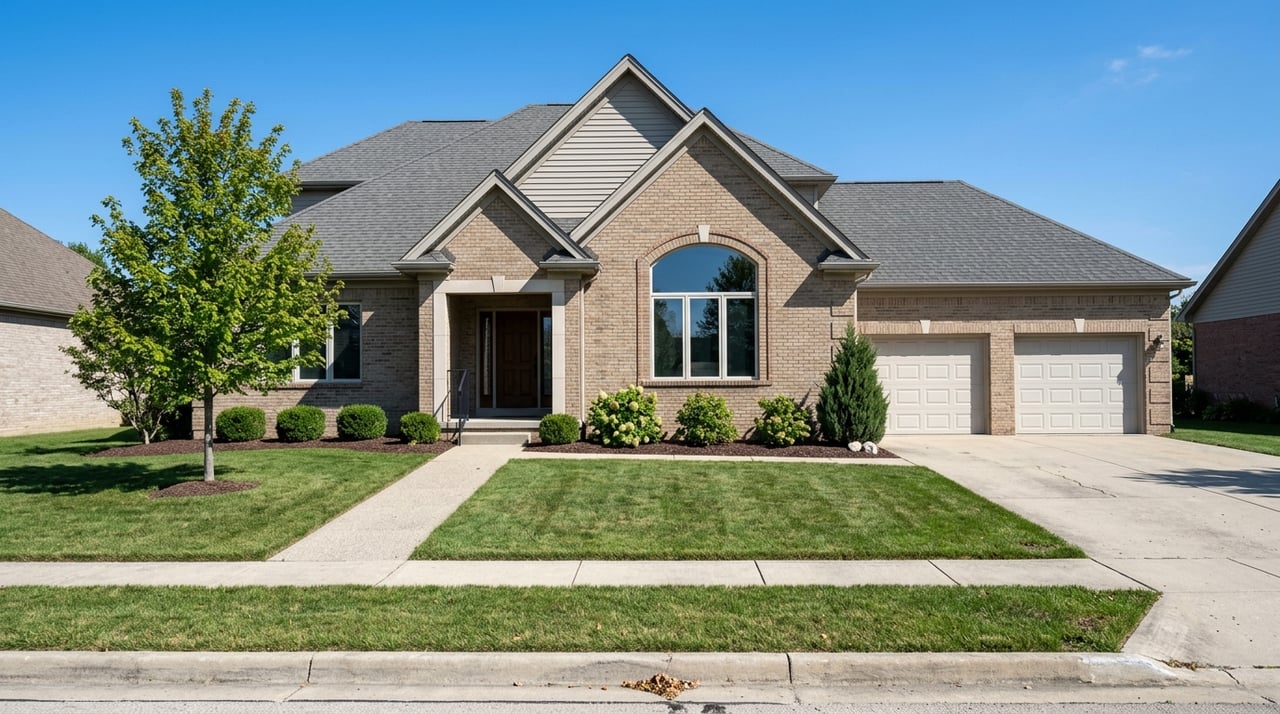
North Shore Vs East Side: Choosing Your Milwaukee Home
If you are torn between Milwaukee’s East Side and the North Shore, you are not alone. These areas sit close to each other, but they can feel very different once you start thinking about your budget, commute, housing style, and day-to-day routine. This guide will help you compare the two so you can focus on the part of Milwaukee that fits your life best. Let’s dive in.
Milwaukee’s East Side is made up of neighborhoods just north of downtown and east of the Milwaukee River. City neighborhood pages describe areas that range from mixed-use and urban to residential and historic, with housing that includes single-family homes, duplexes, townhomes, condos, and apartments.
The North Shore is a group of communities rather than one single neighborhood. Shorewood, Whitefish Bay, and Fox Point each have their own identity, but official community descriptions point to a more residential, home-centered feel overall. In simple terms, the East Side tends to feel denser and more urban, while the North Shore tends to feel quieter and more suburban.
One of the biggest differences is the housing mix. On the East Side, you will find a broader range of property types, including condos, apartments, duplexes, and historic homes. That creates more flexibility if you want options at different price points or prefer a lower-maintenance lifestyle.
In the North Shore, the housing pattern leans more toward detached homes. Whitefish Bay describes itself as a predominantly single-family residential community, and Fox Point describes a suburban residential setting with tree-lined lanes, wooded areas, ravines, and Lake Michigan views. If your search centers on a traditional single-family home, the North Shore may give you more of what you are looking for.
Shorewood often feels like the bridge between the two. It is the first suburb north of Milwaukee, and its official site describes it as walkable and bike-friendly. That can appeal to buyers who want a residential setting without giving up too much convenience.
Price is often where the choice becomes more real. Spring 2026 Realtor.com snapshots show a median listing price of $299,900 for the Lower East Side, compared with $564,900 in Shorewood and $709,900 in Whitefish Bay.
That gap supports a clear pattern. The East Side often offers the lower entry point, Shorewood sits in the middle, and Whitefish Bay represents a higher-priced North Shore option in the current data. At the same time, the East Side is not one uniform market. Realtor.com snapshots also show median listing prices of $449,900 in Yankee Hill and $599,900 in Northpoint, so your price range can shift a lot depending on the exact pocket.
Price per square foot shows a similar spread:
| Area | Median Listing Price | Price per Sq. Ft. |
|---|---|---|
| Lower East Side | $299,900 | $257 |
| Shorewood | $564,900 | $302 |
| Whitefish Bay | $709,900 | $343 |
For buyers, this means it is smart to compare not just sticker price, but total monthly cost. Shorewood’s official site notes that the village is often represented as having one of the higher property tax rates, so carrying costs deserve close attention when you compare homes.
The East Side also stands out for variety in available housing. Realtor.com snapshots show 73 homes for sale in the Lower East Side, compared with 19 in Shorewood and 25 in Whitefish Bay in spring 2026.
Rental supply tells a similar story. The Lower East Side shows 91 rentals, while Shorewood has 49 and Whitefish Bay has 14. If you are relocating, testing an area before buying, or simply want more flexibility in your first move, that broader mix can be useful.
If a shorter downtown commute is high on your list, the East Side usually has the edge. City neighborhood pages place Greenwich Village about two miles north of downtown, and Historic Water Tower Neighborhood includes or borders places like UWM, Lake Park, Bradford Beach, and North Point Lighthouse.
Shorewood is just north of Milwaukee, which still keeps it close in. Whitefish Bay sits north of Shorewood, and Fox Point is farther north as well. Based on those location descriptions, the East Side is generally the fastest downtown option, with Shorewood next and Whitefish Bay or Fox Point farther out.
For many buyers, that difference shapes everyday life more than they expect. A few extra minutes each way may not sound major at first, but it can matter if you commute often or want easier access to downtown events, dining, or the lakefront.
Walkability is another key difference. Walk Score gives the Lower East Side a score of 89, Shorewood an 80, and Whitefish Bay a 46.
Those numbers match how the places are described locally. The East Side BID highlights a setting where residents can walk, bike, or drive to restaurants, shops, and outdoor spaces. Shorewood also describes itself as walkable and bike-friendly, while Fox Point’s official description focuses more on residential streets and natural surroundings than on a walkable village center.
If you picture your daily life including coffee shops, restaurants, errands, and parks within a short walk, the East Side may feel like the better fit. If you prefer a more home-centered routine with a quieter street pattern, the North Shore may feel more comfortable.
For many relocating buyers, school structure is an important part of the decision. On the North Shore, Shorewood and Whitefish Bay operate as separate suburban school communities. Shorewood School District says it provides a liberal arts education responsive to students’ interests and abilities, while Whitefish Bay notes that it organized its own school system independent of the Town of Milwaukee.
On the East Side, school research usually works differently. Milwaukee Public Schools says its School Finder map includes more than 150 school options, including neighborhood, specialty, charter, and virtual programs. That means East Side buyers often need to research schools program by program instead of looking only at one district label.
This is one area where local guidance can make a big difference. If you are moving from out of town, it helps to have someone walk you through how the search process changes from one area to another.
The East Side and the North Shore can both offer access to the lakefront, parks, and established neighborhoods. The difference is how that experience feels day to day.
On the East Side, the lifestyle leans more urban. Local sources point to Brady Street, Downer Avenue, Lake Park, Bradford Beach, and the Historic Water Tower area, along with independent restaurants and bars. That mix can appeal if you want more activity, more nearby destinations, and a stronger street-life feel.
The North Shore leans more residential. Whitefish Bay describes itself as predominantly single-family residential, with more than 4,800 residential properties. Fox Point emphasizes wooded areas, ravines, and a suburban setting, which often appeals to buyers who want more privacy, more yard space, or a quieter pace.
Shorewood remains the middle-ground option. It offers a close-in location and walkable feel, but still reads more like a residential village than an urban district.
If you are deciding between the East Side and the North Shore, it helps to think less about which one is “better” and more about which one matches your routine.
The East Side may suit you best if you want:
The North Shore may suit you best if you want:
Shorewood may be the right fit if you want a middle path between urban access and suburban rhythm.
Because these markets are close together, they can look similar on a map. In real life, though, they often attract buyers for very different reasons.
That is especially true if you are relocating, buying your first home, or trying to balance budget with lifestyle. A neighborhood-focused approach can help you compare not just listing prices, but also commute patterns, housing type, walkability, and the kind of day-to-day experience you actually want.
If you are weighing Milwaukee’s East Side against Shorewood, Whitefish Bay, Fox Point, or another North Shore community, working with a local expert can make the search feel a lot clearer. When you are ready to talk through your options, connect with Elissa Berkoff for thoughtful, neighborhood-focused guidance.

Moving to Milwaukee, Wisconsin? Explore MKE airlines, nonstop destinations and airfare, plus Milwaukee home-buying travel tips and real estate with REALTOR® Elissa Ber… Read more
Elissa is committed to providing exceptional value, personal care and service tailored to the requirements of her clients. The real estate experience that Elissa offers goes over and above what her clients expect. This is important as her goal is not to simply meet their expectations but to exceed them, even well beyond closing.